Selecting Your Tile
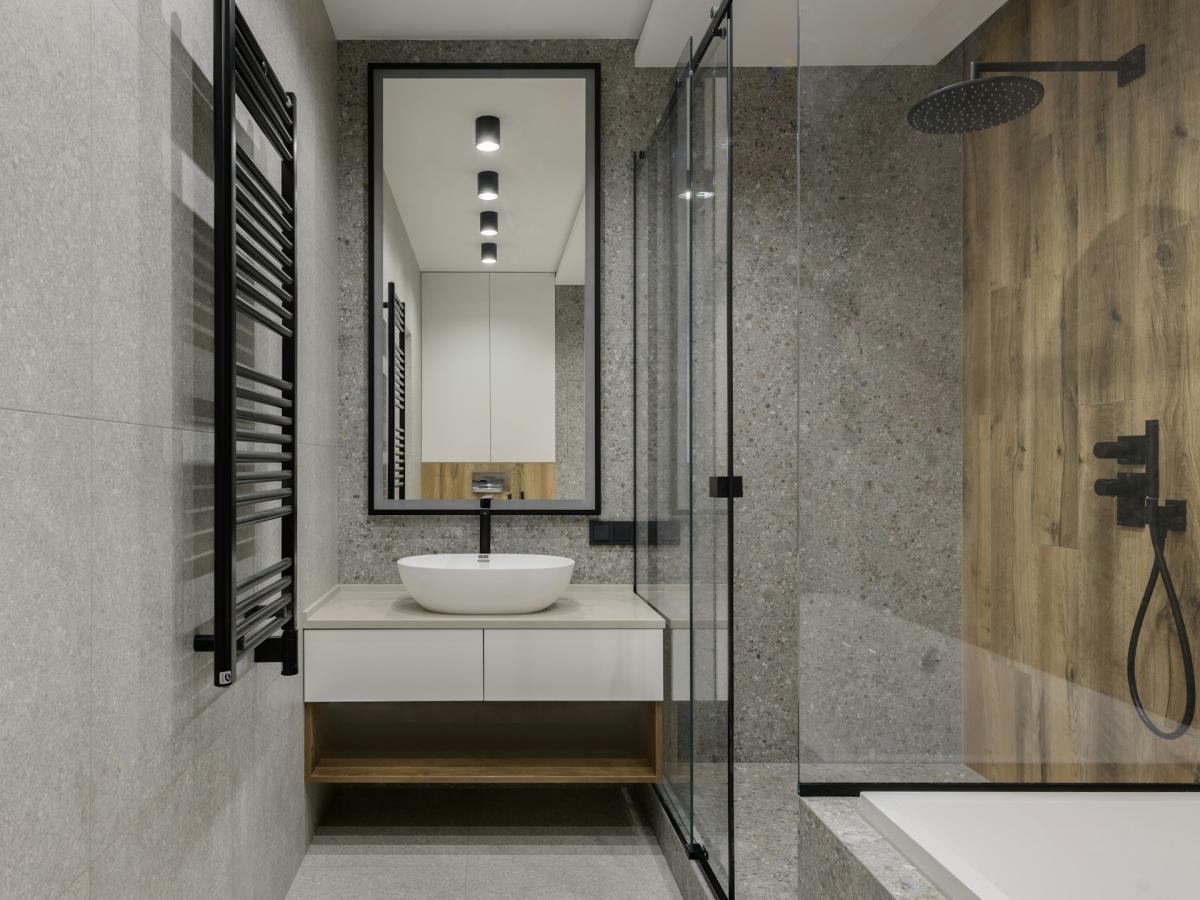
Tiles are a popular choice for flooring and wall coverings due to their durability, aesthetic appeal, and versatility. Among the most common types are ceramic tiles, porcelain tiles, natural stone tiles, and glass tiles, each with unique features, advantages, and disadvantages.
Ceramic Tiles
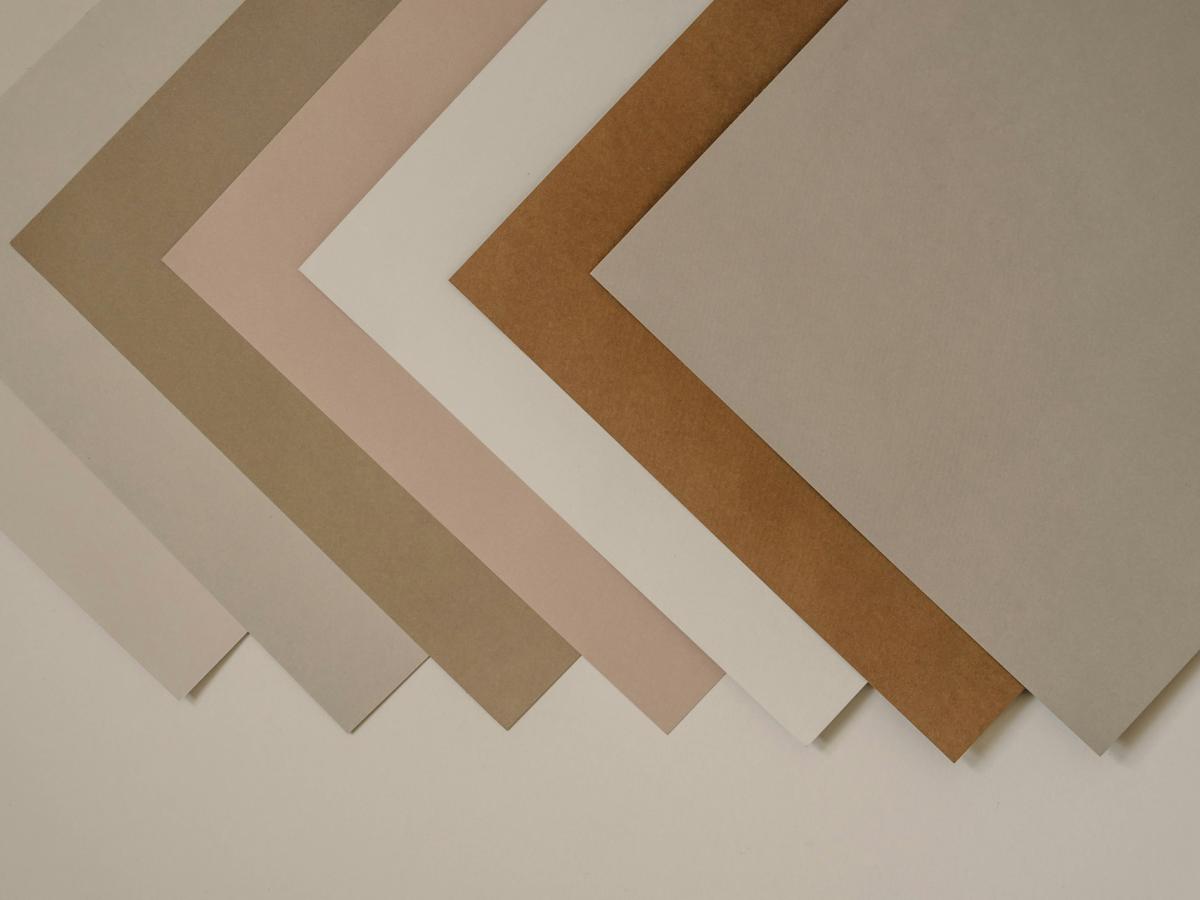
Ceramic tiles are made from clay and other natural materials, glazed for a shiny finish. They are affordable, easy to install, and come in a wide variety of colors and patterns, making them ideal for both walls and floors. However, ceramic tiles can be prone to chipping and may not be as water-resistant as porcelain.
Porcelain Tiles
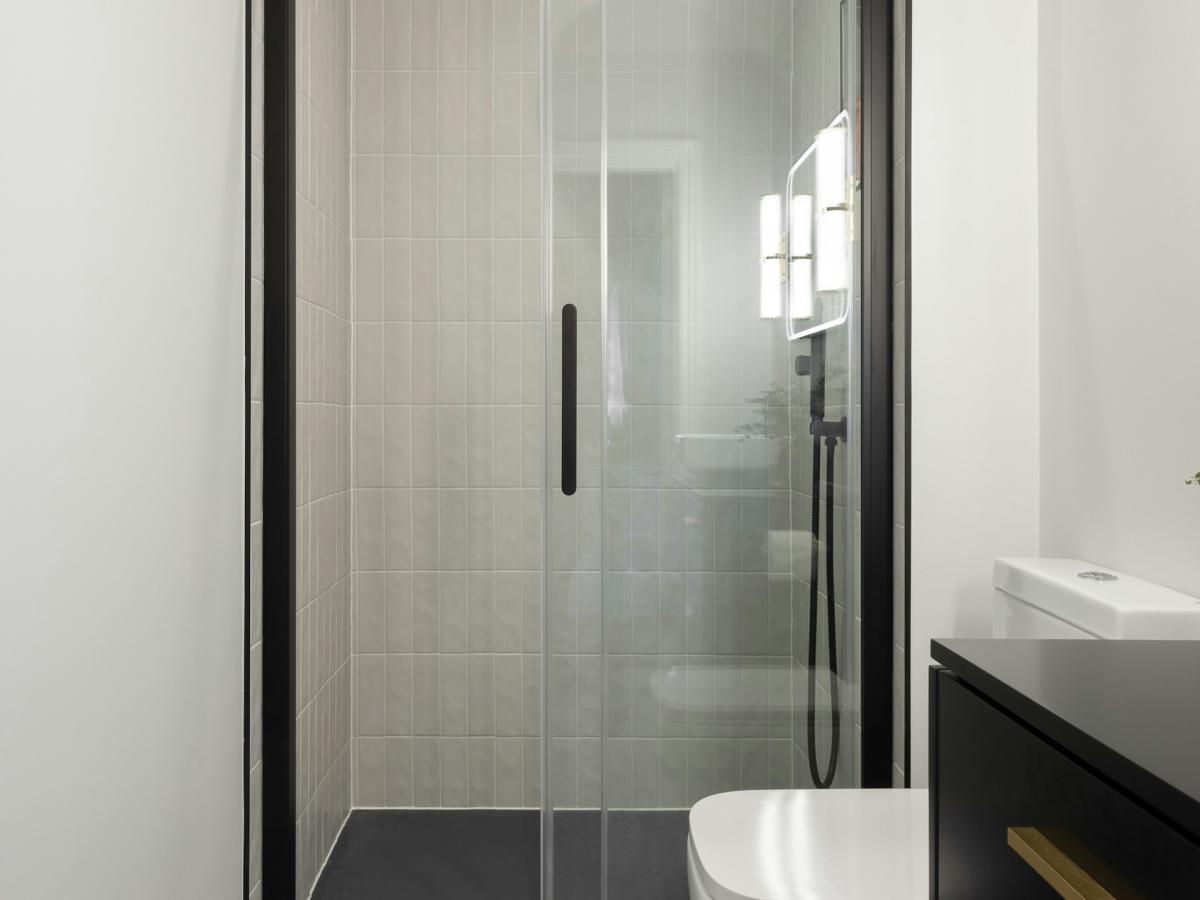
Porcelain tiles are a subtype of ceramic tiles but are made from finer clay and fired at higher temperatures, resulting in a denser, more durable surface. They are highly resistant to water, stains, and wear, making them perfect for high-traffic areas and outdoor use. The downside is that porcelain tiles are generally more expensive and can be more difficult to cut and install.

Natural Stone Tiles
Natural stone tiles, such as marble, granite, and slate, offer a luxurious look and unique natural patterns. They are highly durable but require regular sealing to prevent staining and damage. Natural stone is also more porous, which can make maintenance more intensive.
Glass Tiles
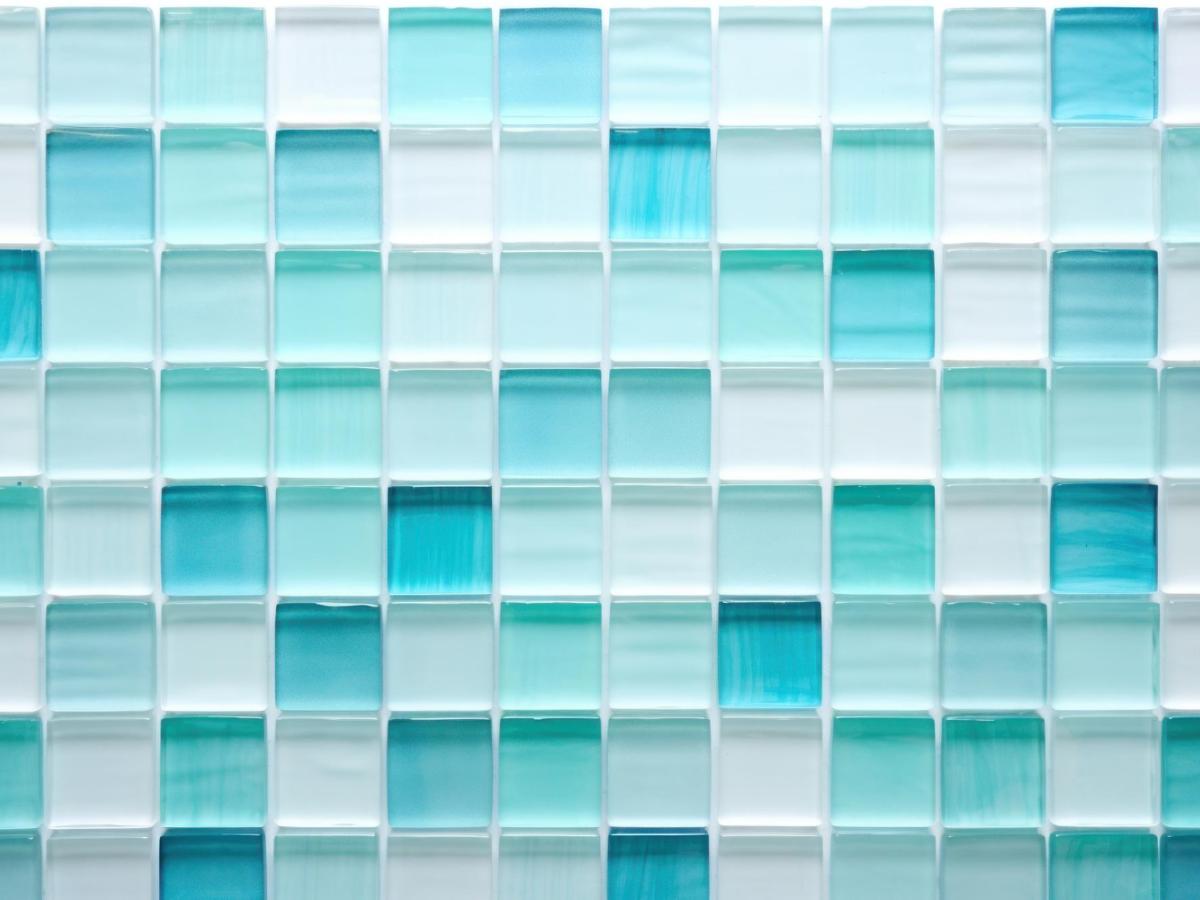
Glass tiles provide a sleek, modern appearance with reflective qualities that can brighten up any space. They are resistant to moisture and stains and are often used in backsplashes and shower enclosures. The main drawbacks include higher cost and a tendency to be slippery when wet.
In Conclusion
Ultimately, choosing the right tile depends on the specific application, budget, and aesthetic preferences. Ceramic and porcelain are excellent for most residential applications due to their affordability and durability, while natural stone is preferred for a luxurious, high-end look. Glass tiles are ideal for decorative accents. By understanding the pros and cons of each type, homeowners and designers can make informed decisions to create beautiful, functional spaces that stand the test of time.